Community · Salisbury
Inside the Wiltshire centre where volunteers were paid to catch a cold
By Swindon Now Editorial Team · Published
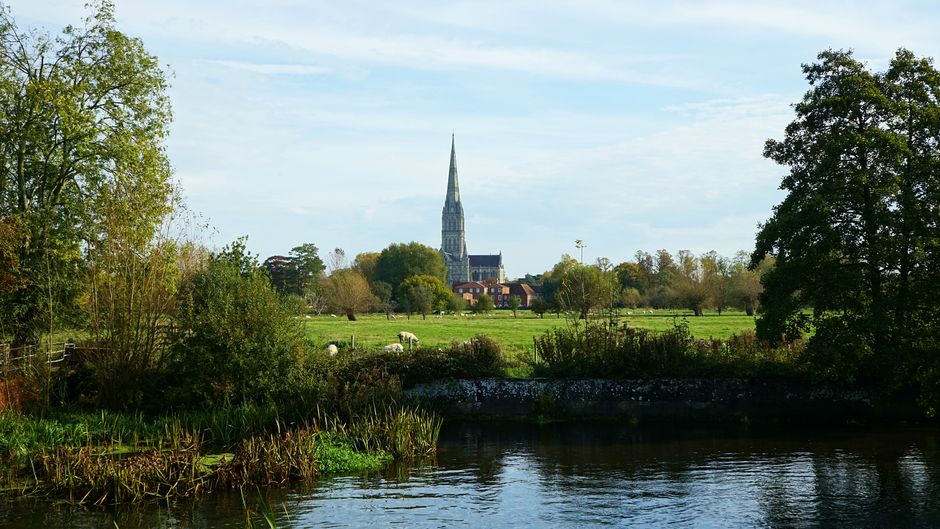
A former military hospital near Salisbury once served as the frontline in the fight against the common cold, and its legacy is now open to the public.
For forty-three years, an unassuming site near Salisbury served as the unlikely headquarters for the battle against the common cold. The Common Cold Unit (CCU), established by the British Medical Research Council in 1946, offered a unique proposition to post-war Britain: a ten-day countryside holiday, complete with cooked meals, pocket money, and a very specific risk of infection.
The unit was created to investigate how cold viruses spread and whether they could be stopped, as the government sought to reduce the significant economic impact of workers taking leave for minor illnesses. Recruitment was handled through newspaper advertisements that framed the research participation as an unusual getaway.
Upon arriving, participants were divided into groups and housed in flats. While some were given placebos, others were deliberately exposed to cold viruses. Between medical observations, volunteers were free to read, play games, and enjoy the Wiltshire countryside, provided they maintained strict social distancing from other groups.
Human nature, however, often overcame the scientific constraints. Records from the Wellcome Collection detail instances of volunteers flirting over the telephone or even serenading neighbours in adjacent flats. On one occasion, a couple was permitted to go for a walk together, provided they remained connected by holding opposite ends of a nine-metre length of string.
The facility closed in 1990. While a cure for the common cold remains elusive, the research conducted at the CCU provided vital insights into the transmission of respiratory viruses, contributing significantly to modern medical understanding.
A slice of history preserved
Today, the Science Museum Group manages a collection of artifacts from the CCU at the Science and Innovation Park in Wiltshire. These items offer a glimpse into the daily life of the volunteers, ranging from the scientific to the domestic. Among the items in the collection are the specialist nozzles used to administer viruses, medical microscopes, and a vintage electric toaster found in the volunteers' kitchen. Some of the furniture, including a desk featuring graffiti scratched into the drawers by bored participants, provides a tangible link to those who spent their time there.
Visiting the collection
Members of the public can view these objects through guided tours at the Science and Innovation Park. These expert-led sessions offer a behind-the-scenes look at the Hawking Building, a working collection store which holds approximately 300,000 objects. Tours last 90 minutes and can be booked online at the Science and Innovation Park website.
Source: Swindon Advertiser - Lifestyle · View original