Local News · Salisbury
Health inequality gap revealed across Salisbury and South Wiltshire
By Swindon Now Editorial Team · Published
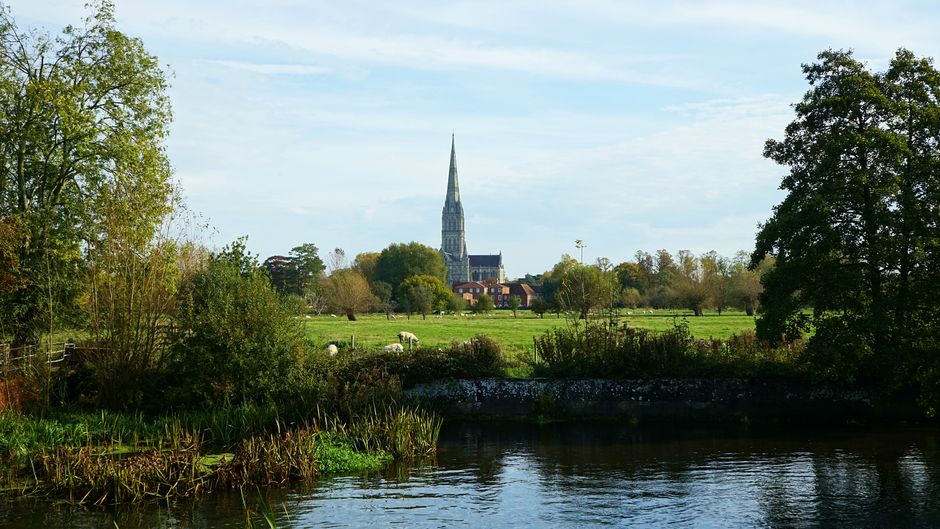
New figures reveal a stark nine-year divide in healthy life expectancy between residents in Bemerton and those in rural South Wiltshire communities.
New data released by the Office for National Statistics (ONS) has highlighted a significant disparity in healthy life expectancy across Salisbury and South Wiltshire, revealing a gap of more than nine years between different communities. The figures, which cover the period from 2019 to 2023, measure the number of years individuals can expect to live in good or very good health.
For men living in Salisbury Bemerton, the healthy life expectancy at birth was estimated at 63.1 years. In contrast, those residing in the rural area covering Whaddon, Whiteparish and Winterslow can expect to live in good health for 72.5 years, a difference of 9.4 years. A similar trend was observed among women, with Bemerton residents seeing an estimate of 65.3 years compared to 74.1 years in the Whaddon, Whiteparish and Winterslow area—a gap of 8.8 years.
Understanding the divide
The ONS data, which incorporates insights from the 2021 Census, reflects mortality conditions during a five-year period that included the height of the coronavirus pandemic. These findings sit below the England national median of 65.3 years for men and 66.8 years for women. Other areas in the region also reported lower-than-average figures, including Salisbury Churchfields and Amesbury, while several rural areas such as Mere, East Knoyle, Tisbury and Downton recorded healthy life expectancy estimates exceeding 70 years.
Beyond general health, the statistics also assessed disability-free life expectancy—the number of years lived without health conditions that limit daily activities. Residents in the Whaddon, Whiteparish and Winterslow area again recorded the highest estimates, while Bemerton and Amesbury featured among the lowest.
Addressing health inequalities
Local authorities have acknowledged the findings, citing the complex interplay of socio-economic factors that influence long-term health outcomes. Kate Blackburn, Director of Public Health for Wiltshire, stated that reducing these inequalities is a primary objective for the council and its health partners.
"Income, employment, housing, education and access to services all influence health," she explained. "The effects of these factors can build up over people's lives and contribute to health inequalities between communities."
Efforts to address these disparities are already underway through various local programmes. In Bemerton Heath, the Community Conversations initiative is currently working with residents to identify specific local priorities and ensure that public services are better tailored to community needs. Across the wider Wiltshire area, health partnerships continue to focus on public health interventions, including smoking cessation services, initiatives to encourage physical activity, and efforts to improve the uptake of NHS screening and vaccination programmes.
Source: Salisbury Journal — Salisbury · View original