Community · Swindon
Swindon residents urged to help create nature corridors in their own gardens
By Swindon Now Editorial Team · Published
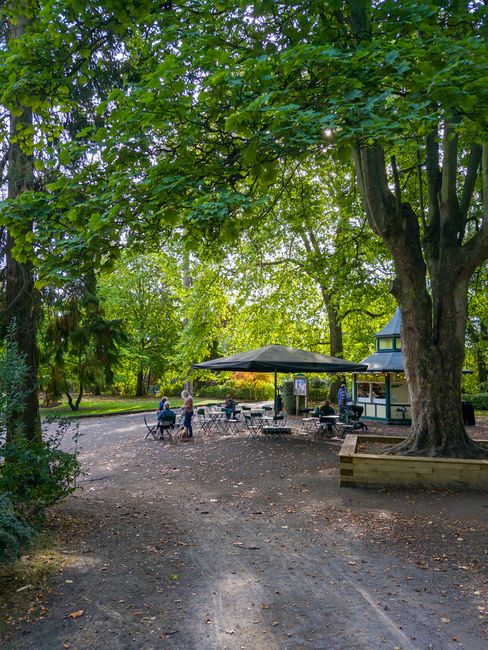
Local households are being invited to join a nationwide project by dedicating a small area of their outdoor space to support local wildlife.
Swindon residents are being encouraged to help build a network of nature-friendly habitats by dedicating as little as three square yards of their outdoor space to wildlife. The Community Nature Reserve project aims to transform individual gardens across the town into a connected, nationwide corridor for birds, insects and other native species.
Launched in 2015 by conservationists Luke Smout and Dr Adrian Cooper, the scheme has already seen more than 30,000 gardens registered across the UK. It is designed to demonstrate that meaningful environmental change does not require vast estates or expert horticultural knowledge, but can be achieved through small, collective actions.
"People often think that helping wildlife means owning a large garden or having lots of land, but that simply isn't the case," said co-founder Luke Smout. "If people across Swindon each gave just a small amount of space to nature, those individual gardens could become part of something much bigger."
The project is highly accessible, even for those without traditional garden space. The organisers state that residents living in flats or properties with limited outdoor access can participate by using balconies, patios, pots or window boxes to provide essential food, water and shelter for wildlife. Recommended methods for participants include allowing a patch of lawn to grow wild, planting native wildflowers, or installing simple feeding stations.
The initiative has received significant backing from conservationists, including naturalist Sir David Attenborough, who has publicly supported the founders' work in building the network. Rather than operating as a single, fenced-off physical reserve, the project functions as a distributed network of thousands of small, private spaces. By linking these areas, the scheme creates pathways for wildlife to move, feed and breed in urban environments.
With a growing number of participants already taking part locally, organisers hope to see more Swindon households join the registry. There are no strict requirements for entry, and the scheme aims to welcome gardeners of all experience levels to contribute to a larger, more resilient habitat network for the town.
Source: Swindon Advertiser - Lifestyle · View original