Community · Wiltshire-wide
Historic Parkland Wins Permanent Protection From Future Housing Expansion
By Swindon Now Editorial Team · Published · Updated
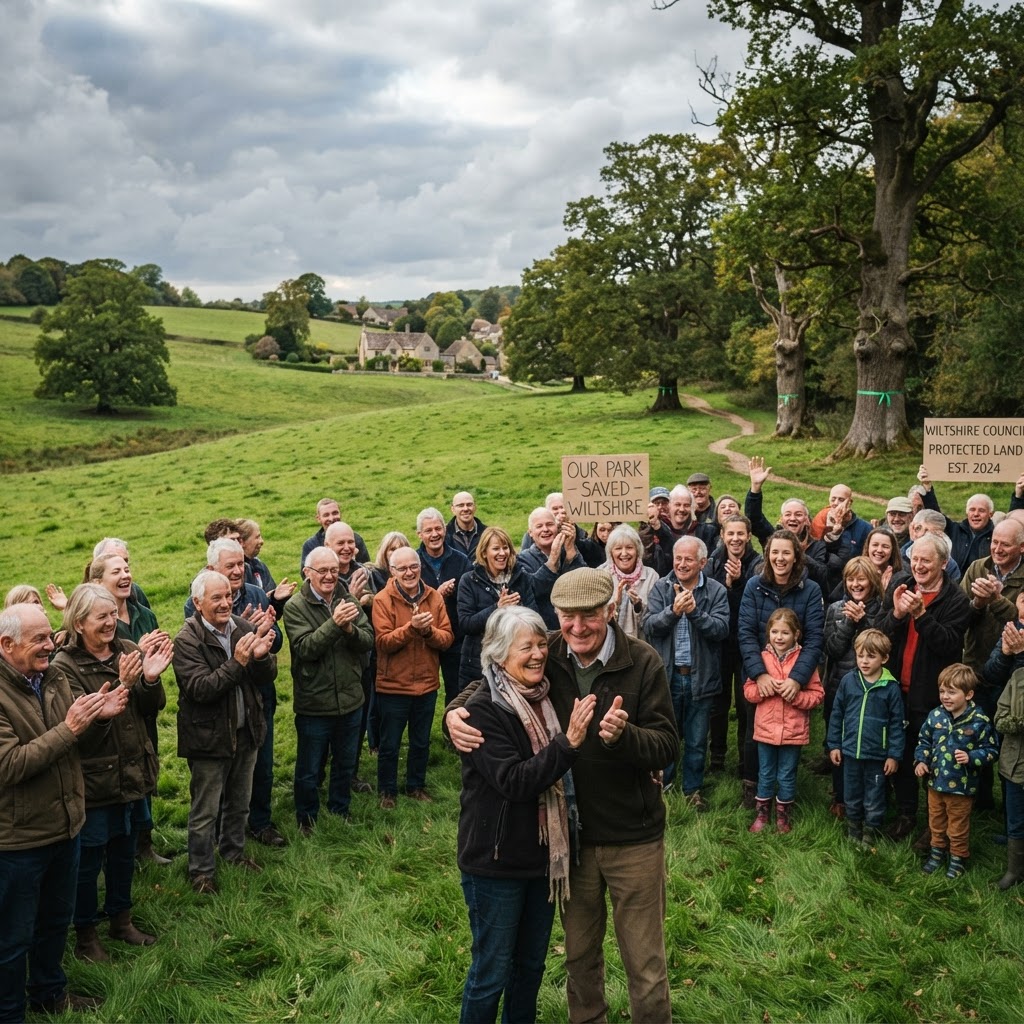
Local authorities have finalized a protective status for a prominent heritage site, effectively barring any future construction or land development within its boundaries. This decision ends years of uncertainty regarding the preservation of the estate's natural and architectural assets.
The rolling meadows and ancient woodlands that define one of Wiltshire-s most cherished heritage sites have finally been granted permanent immunity from the creeping reach of suburban sprawl. Following years of tense uncertainty that saw the land-s future repeatedly debated in council chambers, local authorities have finalised a protective status that effectively draws a permanent line in the sand against any future housing expansion. For the residents of Swindon and the surrounding villages, this landmark decision provides a long-awaited sigh of relief, ensuring that a vital piece of the county-s character will remain untouched by the heavy machinery of developers. The move comes as the culmination of a protracted campaign by local heritage groups and concerned citizens who have long argued that the estate is far more than mere vacant land; it is a living, breathing component of the regional identity that demands careful stewardship rather than exploitation. By securing this legal safeguard, the council has effectively prioritised the preservation of our natural and architectural assets over the short-term gains of housing quotas. The estate, which has served as a sanctuary for wildlife and a quiet retreat for countless families over the generations, faced increasing pressure in recent years as regional expansion interests looked toward the area to meet rising dwelling targets. The intensity of these development bids often left the local community fearing the worst, with many residents concerned that the park-s historical integrity would be permanently marred by mass-produced housing blocks. However, this definitive ruling now serves as a robust defence against such encroachment, ensuring that the landscape character which makes this part of Wiltshire so unique remains intact. It is a rare victory for conservation in an era where the demand for new building projects often overrides the desire to protect the beauty of the countryside. Beyond the immediate relief felt by local campaign groups, the long-term implications of this decision are significant for the broader region. As Swindon continues to grow and modernise, the value of having an accessible, preserved landmark within reach becomes increasingly precious. The land will now remain a permanent green space for public use, shielded from the pressures of modern urbanisation. This move signals a conscious shift in local policy, one that recognises that the health of a community relies as much on its accessible public spaces as it does on its infrastructure. For those who walk the footpaths and admire the centuries-old vistas of this parkland, the future is now a promise rather than a question. It is an assurance that while the town around it may change and develop, this specific pocket of heritage will stand as a reminder of what the landscape was, and more importantly, what it shall continue to be for all those who call this area home in the years to come.
Source: Gazette & Herald — Leisure · View original