Community · Wiltshire-wide
Thousands of Wiltshire Food Outlets Adopt Grease Management Tech
By Swindon Now Editorial Team · Publication date not recorded
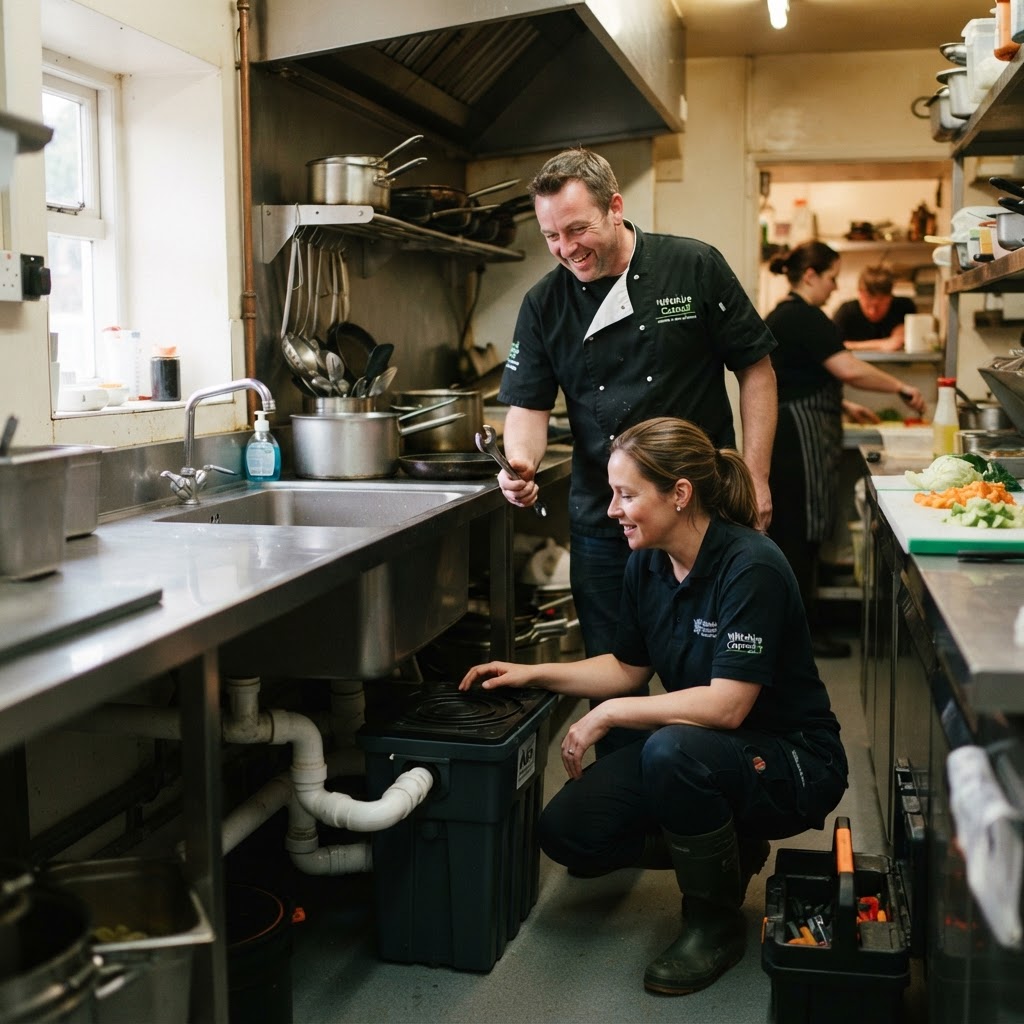
Thames Water has successfully prompted over 2,500 local food businesses to fit specialised fat-trapping equipment within the last twelve months. The initiative seeks to bolster sewage system resilience by preventing cooking oils from entering the municipal drain network.
The battle against the notorious subterranean giants known as fatbergs has reached a significant milestone in Wiltshire. Over the past twelve months, a concerted effort led by Thames Water has successfully encouraged more than 2,500 food outlets across the county to install specialised grease management technology. This initiative represents a vital step in protecting our local wastewater infrastructure from the persistent threat of solidified fats, oils, and grease which are commonly discarded into the sink. By mandating or incentivising the use of grease traps, the project aims to ensure that these harmful substances are captured at the source rather than being allowed to congeal within the complex maze of pipes that lie beneath our streets. For too long, these culinary by-products have been a primary cause of sewage blockages, creating messy and disruptive problems that impact local businesses and residents alike.
The scale of this achievement is noteworthy when one considers the logistical challenge of upgrading thousands of commercial kitchens simultaneously. Staff from Thames Water have worked closely with restaurant owners, cafes, and takeaways to explain the critical importance of these devices. Every litre of fat that is diverted into a grease trap is a victory for the resilience of our local drainage network. When fats and oils cool down in the municipal pipes, they turn into stubborn, rock-hard obstructions that can lead to severe back-ups. These blockages not only result in costly and time-consuming repairs for the utility provider but also carry the risk of sewage flooding in residential areas, a scenario that is as unpleasant as it is hazardous to public health.
For the average resident living in Swindon or the surrounding Wiltshire towns, this programme offers more than just operational efficiency. It promises a tangible improvement in the reliability of local services and a reduction in the risk of sudden, sewage-related disruptions that have historically plagued some of our older neighbourhoods. The installation of this tech acts as a preventative shield, ensuring that our infrastructure is less susceptible to the consequences of high-volume cooking. It is a proactive approach to city management that relies on cooperation between the public utility sector and the vibrant local food scene. By working together to prioritise the health of the sewers, the town can avoid the more severe outcomes that occur when systems become overwhelmed.
While the installation of grease traps is a fantastic start, officials are keen to remind the wider public that they, too, play a role in this ongoing maintenance effort. Residents are urged to keep disposing of their own kitchen fats in the bin rather than pouring them down the plughole. The successful adoption of this technology by commercial entities provides a brilliant framework for wider environmental stewardship, yet it remains just one part of a larger strategy to maintain Wiltshire-s subterranean health. As these 2,500 outlets demonstrate, a simple change in procedure can make a massive difference to the durability of our communal services. Looking ahead, the focus will likely shift towards maintaining these devices and monitoring their performance to ensure the sewage network remains clear, functional, and fit for the needs of our growing community.
Source: Gazette & Herald · View original