Politics & Council · Wiltshire-wide
Final stages of Lime Down solar park inquiry begin amid heated protests
By Swindon Now Editorial Team · Published
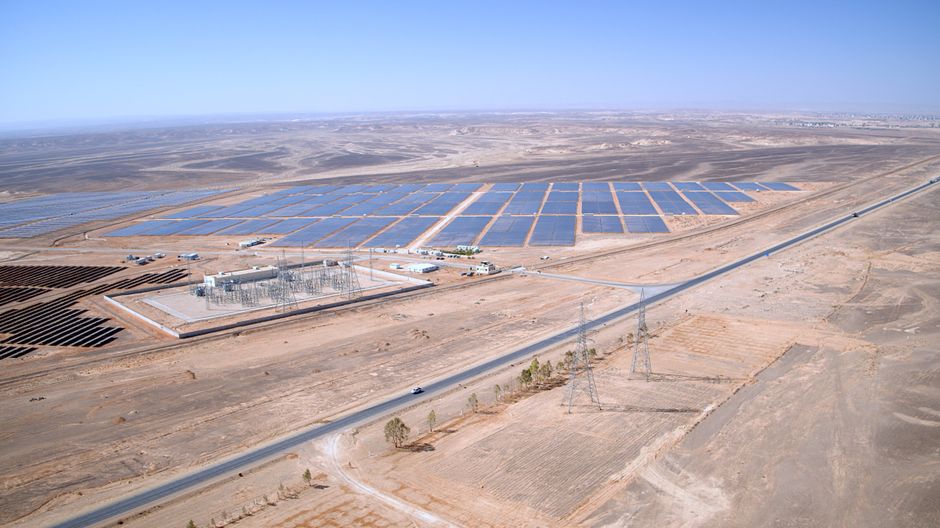
A public inquiry into the massive Lime Down solar farm proposal has entered its final week, with residents and local officials raising concerns over traffic, landscape impact, and agricultural land loss.
A public inquiry into plans for a massive solar-and-battery facility in north Wiltshire has entered its final stages, as the battle over the proposed development intensifies. The hearings, which are taking place at the National Self Build & Renovation Centre near Swindon, saw a tense start this week with around 50 protestors gathered outside to oppose the project.
The applicant, Island Green Power, seeks to develop a 500MW solar site on land spanning the area between Malmesbury and the M4. The developer argues the project is a significant piece of infrastructure capable of powering 115,000 homes annually. However, the proposal has faced sustained resistance from local campaigners, who argue the scheme would industrialise approximately 35 square miles of countryside, impacting public rights of way and rural infrastructure.
The current phase of the inquiry marks the final set of hearings. These sessions are set to examine critical areas, including landscape and visual impacts, cultural heritage, hydrology, flood risk, and drainage. Traffic and transportation logistics, as well as management plans, will also be scrutinised. In the following weeks, the Planning Inspectorate panel will review evidence related to socio-economics, ecology, and the legal Development Consent Order required to advance the project.
Local concerns over infrastructure and business
The human cost of the development remains a central theme for opponents. Ann Hawker, who operates a farm in Hullavington, raised concerns regarding the use of compulsory purchase powers to facilitate a 12-mile cable route to the Melksham National Grid substation. She warned that land disruption for the cabling could impact agricultural productivity for decades.
Local business impacts have also been highlighted. Phil Moore, a former resident of Sherston, presented the findings of a survey he conducted among local businesses. Of the 250 businesses he approached, 81 per cent of the 96 respondents indicated they felt the project would negatively impact their viability, with hospitality venues expressing particular concern over construction traffic and the potential loss of local tourism appeal.
Martin Smith, the Wiltshire councillor for the Sherston division, has publicly challenged the developer's traffic assessments. Cllr Smith stated that the developer has significantly underestimated the number of HGV movements required to build the site. He also raised concerns regarding the logistical difficulty of transporting 150-tonne transformers through rural roads, noting that the applicant has yet to provide a clear plan for managing site access through key local junctions, including those near Rodbourne and Grittleton.
The decision process
While Wiltshire Council remains formally opposed to the project, the final outcome lies beyond the local authority's jurisdiction. Because the development is classified as nationally significant infrastructure, the final decision will be made by the Secretary of State for the Environment, Dame Angela Eagle.
The examination is currently scheduled to conclude on 21 October. Following this, the Planning Inspectorate will submit a recommendation to the Secretary of State, with a final decision expected in late 2026 or early 2027.
Source: Swindon Advertiser - Politics · View original