Politics & Council · Wiltshire-wide
Wiltshire Council clarifies pothole repair strategy after fleet reduction
By Swindon Now Editorial Team · Published
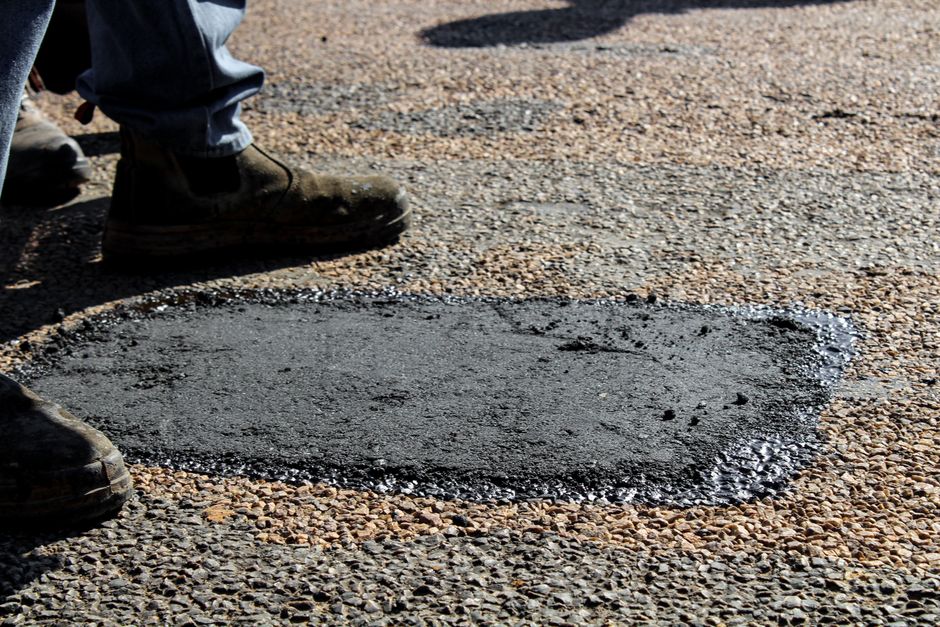
Wiltshire Council has defended its decision to reduce its fleet of 'Bobcat' repair machines as it rebrands its task group to focus on wider highway infrastructure maintenance.
Wiltshire Council has provided a detailed justification for its recent decision to reduce its fleet of dedicated pothole-fixing machines from three to two, a move that has sparked debate among local councillors regarding road maintenance priorities.
The reduction in the fleet, which took place in July following a performance review, comes alongside the renaming of the council's cross-party task force. Formerly the Pothole Task Group, the newly titled Highway Repair Task Group has signalled a shift in strategy, aiming to move beyond isolated repairs to address the structural integrity of the county's road network.
Cllr Phil Chamberlain, chair of the task group, explained at a recent Environment Select Committee meeting that the change in name reflects a deeper understanding of road failure. 'We started with potholes, and we are still focused on potholes, but we want to gain a better understanding of the wider issues,' he said. He added that engineers must consider the entire carriageway, noting that isolated holes are often symptomatic of underlying problems with surface layers and drainage.
This shift in approach has not been without its critics. Councillor Kevin Asplin questioned the rationale for the cut, arguing that the reduction does not align with the expectations of residents who frequently encounter road damage. Councillor Dominic Muns also voiced scepticism, suggesting that the Bobcat machines provided a more permanent solution compared to alternative methods. 'The difference, for me, is the type of repair a Bobcat provides - a permanent fix rather than a cold-lay repair,' Cllr Muns stated.
In response, council leader Cllr Ian Thorn confirmed that the decision followed a review of programme delivery and maintenance priorities. He stated that the council intends to maintain flexibility, with a commitment to review the policy later in the year and potentially re-introduce the third machine if the evidence requires it. 'The review found that two machines provide the right approach for delivering the programme, while giving us greater flexibility to invest in a range of highway maintenance activities,' he said.
The challenge of maintaining Wiltshire's 2,800 miles of road is exacerbated by several factors, according to reports considered by the committee. The council cites the age of the local road network, the prevalence of sensitive clay soil in the north and west of the county, and the impact of extreme weather patterns, including freeze-thaw cycles. Additionally, officials pointed to the increasing weight of modern vehicles, particularly the rise in SUV and electric vehicle ownership, as a significant factor in road surface deterioration.
Source: Salisbury Journal · View original