Politics & Council · Wiltshire-wide
Wiltshire Council scales back pothole repair resources
By Swindon Now Editorial Team · Published · Updated
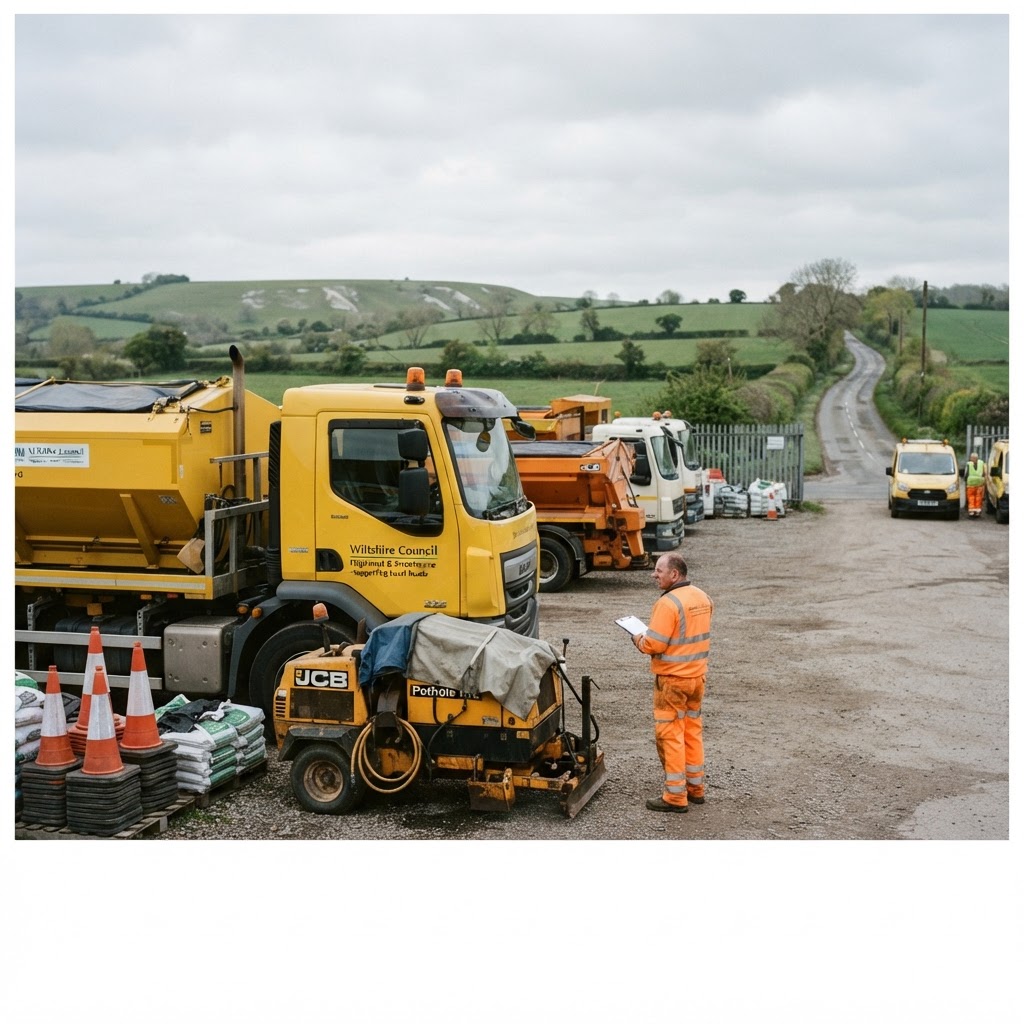
Wiltshire Council has rebranded its road maintenance task force while simultaneously reducing the fleet of machinery dedicated to fixing potholes. This shift in operational strategy suggests a move away from the previous focus on specific pothole repair units.
Motorists travelling across Wiltshire will need to exercise extra caution as Wiltshire Council confirms a controversial restructuring of its road maintenance strategy. The local authority has announced a rebranding of its dedicated pothole repair task force-a move that coincides with a marked reduction in the fleet of specialised machinery previously deployed to tackle the county-s crumbling tarmac. For years, road surface degradation has been a point of significant contention for residents, with taxpayers frequently venting their frustration over deep craters and damaged vehicle suspensions. This latest shift in policy, however, suggests the council is abandoning its previous commitment to focused repair units in favour of a more centralised, albeit reduced, operational model.
While the council maintains that the rebranding is intended to streamline efficiency, the reduction in physical assets points to a broader scaling back of resources. The specialised vehicles that were once a familiar sight on rural routes and urban streets alike are now set to become less prominent, raising questions about how the local authority intends to manage its statutory responsibilities. With fewer machines available to perform high-priority repairs, the pressure on the remaining infrastructure is expected to mount, leaving many to wonder if the quality of our roads is being sacrificed at the altar of budgetary constraint. This decision marks a departure from the targeted approach that many road users had hoped would lead to lasting improvements.
For those behind the wheel, the immediate impact is likely to be felt in the form of slower response times to road surface defects. When a new pothole appears on a local route, the reduced capacity of the council-s repair units means that damage may remain a hazard for significantly longer periods than residents have come to expect. This is a worrying prospect for those who commute daily through towns like Swindon, where traffic volume puts additional strain on already worn surfaces. The reality of this operational change is that residents will likely face more frequent and prolonged encounters with dangerous road conditions, potentially leading to an increase in damage to private vehicles.
Critics of the move have expressed concern that this represents a retreat from the proactive maintenance schedules promised in previous years. Whilst the council is under immense pressure to prioritise spending in a challenging economic climate, the condition of the highway network remains a fundamental service that directly affects the daily lives of thousands of people. By downsizing its repair capabilities, the council risks alienating a public that is already weary of the perceived decline in local infrastructure. Whether this new strategy can successfully balance fiscal responsibility with the urgent need for safe roads remains to be seen, but the current mood amongst Wiltshire drivers is one of growing apprehension.
Ultimately, the success of this new organisational structure will be measured by the state of the asphalt beneath our tyres. As the council transitions to its new way of working, it will face intense scrutiny from local communities eager to see if it can still deliver a service that is fit for purpose. It is imperative that the authority continues to monitor road safety levels closely and remains prepared to reallocate resources should the current reduction lead to an unacceptable spike in hazardous conditions. For now, motorists are advised to drive with increased vigilance, as the path to smoother roads appears to have become significantly more difficult to navigate.
Source: Swindon Advertiser - Politics · View original